Manqulat
The transmitted religious sciences
Qur’an · Tafsir · Hadith · Fiqh · Usul

Dars-e-Nizami Qadeem
A rigorous programme of linguistic, transmitted and rational sciences designed to develop the tools required to read, understand and engage with the classical Islamic scholarly tradition.
Explore the curriculumTraditional Knowledge.
Complete Scholarship.
Living Guidance.
The tradition
The Dars-e-Nizami, also written Darse Nizami, is one of the most influential systems of traditional Islamic scholarship to emerge from the Indian subcontinent. It takes its name from Mawlana Nizam al-Din Muhammad Sihalwi al-Farangi Mahalli (d. 1161 AH / 1748 CE), who organised and refined a comprehensive programme of Islamic learning at Farangi Mahall in Lucknow.
The curriculum represented the culmination of centuries of development in Islamic education. Earlier study centred particularly upon the Qur’an, Hadith, Arabic language and poetry. As the scholarly tradition developed, Sarf, Nahw, Usul, Fiqh, history, medicine, astronomy, Ilm al-Kalam, Mantiq and Hikmah also entered the curriculum.
Historical setting
The historical centre associated with Mawlana Nizam al-Din’s curriculum, particularly known for Fiqh, Usul and the rational sciences.
Particularly associated with Qur’an and Hadith.
Renowned for Mantiq, Hikmah and the Maqulat.
Tartib
Sarf and Nahw give students the linguistic tools needed to access Arabic scholarship. Arabic literature and Adab strengthen vocabulary, expression and familiarity with classical usage.
Mantiq develops principles of conception, judgement, definition, propositions, inference and demonstration. Munazarah and Adab al-Bahth train students to analyse competing arguments, formulate objections and respond systematically.
These foundations prepare students for increasingly sophisticated study of Balaghah, Kalam, Hikmah, mathematics, geometry and astronomy alongside Fiqh and Usul al-Fiqh. The higher transmitted sciences, particularly Tafsir and Hadith, are then approached with the linguistic, juristic and rational tools developed through the earlier disciplines.
The purpose
The purpose of the original Dars-e-Nizami was not simply to complete a collection of books. It sought to develop deep scholarly aptitude through which students acquired the ability to understand, analyse and eventually approach advanced works independently.
Students learn not only what a conclusion is, but why it was reached and how its argument was constructed.
These sciences are studied as connected parts of a single formation rather than as disconnected subjects.
The transmitted religious sciences
Qur’an · Tafsir · Hadith · Fiqh · Usul
The rational and intellectual disciplines
Mantiq · Kalam · Hikmah · Munazarah · Mathematics · Geometry · Astronomy
The tools required to understand both
Sarf · Nahw · Balaghah · Adab
Sarf and Nahw provide access to the language; Balaghah develops sensitivity to expression; Mantiq disciplines reasoning; Munazarah trains students to analyse arguments; Usul teaches how textual evidence is interpreted; and Kalam and Hikmah develop intellectual depth. The transmitted sciences bring these tools to bear upon the Qur’an, Sunnah and wider Islamic tradition.
The curriculum
The texts
The curriculum progresses through recognised classical works, from foundational texts to increasingly sophisticated works.
The examples shown here span different sciences, levels and programmes within the wider Dars-e-Nizami Qadeem tradition. They do not imply that every student studies every title.
Explore the books taught at Imam Rabbani InstituteMīzān al-Ṣarf · Munshaʿib · ʿIlm al-Ṣīghah · Ṣarf Bahāʾī · Taysīr Abwāb al-Ṣarf · Ṣarf ʿIzzī
Naḥw Mīr · Matn Miʾat ʿĀmil · Sharḥ Miʾat ʿĀmil · Hidāyat al-Naḥw · al-Kāfiyah · Sharḥ Mullā Jāmī · Alfiyyah · Shudhūr al-Dhahab
Maqāmāt al-Ḥarīrī · Qaṣīdat al-Burdah · Dīwān al-Ḥamāsah · Dīwān al-Mutanabbī · Bānat Suʿād
Mīrqāt · al-Risālah al-Shamsiyyah · al-Quṭbī · Mīr Quṭbī · Mullā Ḥasan · Ḥamd Allāh · Sullam al-ʿUlūm · Qāḍī Mubārak · Mullā Jalāl · Risālat al-Quṭbiyyah
Hidāyat al-Ḥikmah · Maybadhī · al-Hadiyyah al-Saʿīdiyyah · Ṣadrā · Shams al-Bāzighah · Umūr-e-ʿĀmmah Mīr Zāhid
Sharḥ al-ʿAqāʾid · Sharḥ al-ʿAqāʾid al-Jalāliyyah · Khayālī · Sharḥ al-Fiqh al-Akbar
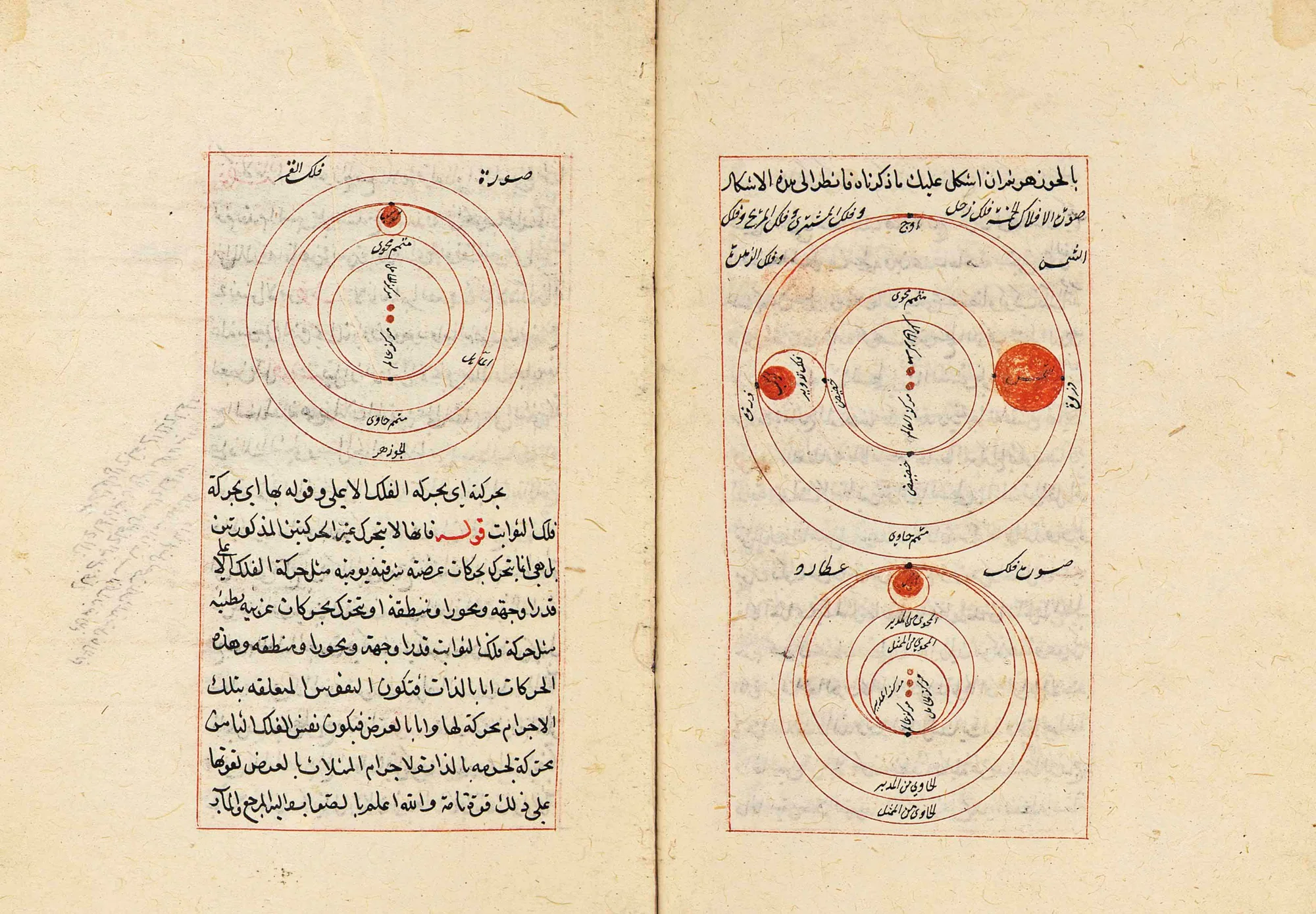
Khulāṣat al-Ḥisāb · Taḥrīr Uqlīdis · Tashrīḥ al-Aflāk · Taṣrīḥ · Sharḥ al-Chaghmīnī
Mukhtasar al-Ma’ani · al-Mutawwal
Mukhtaṣar al-Qudūrī · Kanz al-Daqāʾiq · Sharḥ al-Wiqāyah · al-Hidāyah
Nur al-Anwar · al-Tawdih · al-Talwih · Musallam al-Thubut
al-Risālah al-Rashīdiyyah
Tafsir al-Jalalayn · Tafsir al-Baydawi
al-Kutub al-Sittah (the Six Books): Ṣaḥīḥ al-Bukhārī · Ṣaḥīḥ Muslim · Sunan Abī Dāwūd · Jāmiʿ al-Tirmidhī · Sunan al-Nasāʾī · Sunan Ibn Mājah
al-Risālah al-Qushayriyyah
Our approach
Over time, many institutions adopted the name Dars-e-Nizami while curricula continued to evolve. Texts were removed or added, emphasis changed, and the Hadith component expanded. There is therefore a distinction between using the name and preserving the educational philosophy of the Dars-e-Nizami Qadeem.
Imam Rabbani Institute seeks to preserve strong command of Arabic, rigorous engagement with the instrumental sciences, serious study of both Maqulat and Manqulat, and progression through demanding classical texts under qualified teachers.
The objective is to cultivate:
Students develop the tools to continue reading and analysing the classical Islamic scholarly tradition beyond the formal programme.
Teaching method
Classes are taught through the traditional method of close textual study, following the rigorous Khayrabadi teaching methodology.
Students are trained not merely to translate passages or memorise conclusions, but to understand the reasoning of the author and articulate complex discussions with clarity and precision.
Questions
Concise answers about the curriculum and the study options currently confirmed by Imam Rabbani Institute.
Dars-e-Nizami is an influential system of traditional Islamic scholarship from the Indian subcontinent. It integrates linguistic, transmitted and rational sciences in a deliberate progression.
The curriculum takes its name from Mawlana Nizam al-Din Muhammad Sihalwi al-Farangi Mahalli, who organised and refined a comprehensive programme of Islamic learning at Farangi Mahall in Lucknow.
On this page, Dars-e-Nizami Qadeem refers to preserving the educational philosophy of the traditional curriculum: strong Arabic, rigorous instrumental sciences, serious study of Manqulat and Maqulat, and progression through demanding classical texts.
The curriculum includes Sarf, Nahw, Balaghah, Adab, Tafsir, Hadith, Fiqh, Usul al-Fiqh, Mantiq, Kalam, Hikmah, Munazarah, mathematics, geometry and astronomy, among other connected disciplines.
Manqulat are the transmitted Islamic sciences, including Qur’an, Tafsir, Hadith, Fiqh and Usul. Maqulat are the rational and intellectual disciplines, including Mantiq, Kalam, Hikmah, Munazarah, mathematics, geometry and astronomy.
Mantiq disciplines reasoning and develops principles of conception, judgement, definition, propositions, inference and demonstration. Together with Munazarah and Adab al-Bahth, it trains students to analyse arguments, formulate objections and respond systematically.
The Dars-e-Nizami Qadeem curriculum progresses through recognised classical works from foundational to advanced levels across Arabic, Fiqh, Usul, Mantiq, Kalam, Hikmah, Tafsir, Hadith and the other sciences. Imam Rabbani Institute teaches many of the classical texts shown on this page. Visit our Books page to explore the books taught at the Institute.
Dawrah al-Hadith is the advanced stage of the Alimiyyah curriculum devoted to intensive study of the major Hadith collections. Students engage with the texts alongside their legal, theological and methodological discussions.
Imam Rabbani Institute offers both full-time and part-time Alimiyyah programmes. The full-time programme runs for six years followed by Dawrah al-Hadith, while the part-time programme runs for six years. View the Alimiyyah programmes
Yes. The Alimiyyah programmes at Imam Rabbani Institute are delivered through live online classes, allowing students to study the traditional Dars-e-Nizami curriculum remotely. View study options
No previous Arabic study is required for students entering the first year. Applicants should, however, be able to read the Qur'an and be prepared to commit to regular study, preparation and revision. View courses and entry requirements
Scholarly lineage
Our teaching is connected to established scholarly and spiritual traditions of Ahl al-Sunnah wa al-Jama’ah, including the Khayrabadi scholarly tradition.
Explore our scholarly lineageStudy at Imam Rabbani Institute
Imam Rabbani Institute offers the Dars-e-Nizami curriculum through structured Alimiyyah programmes, with full-time and part-time routes available.